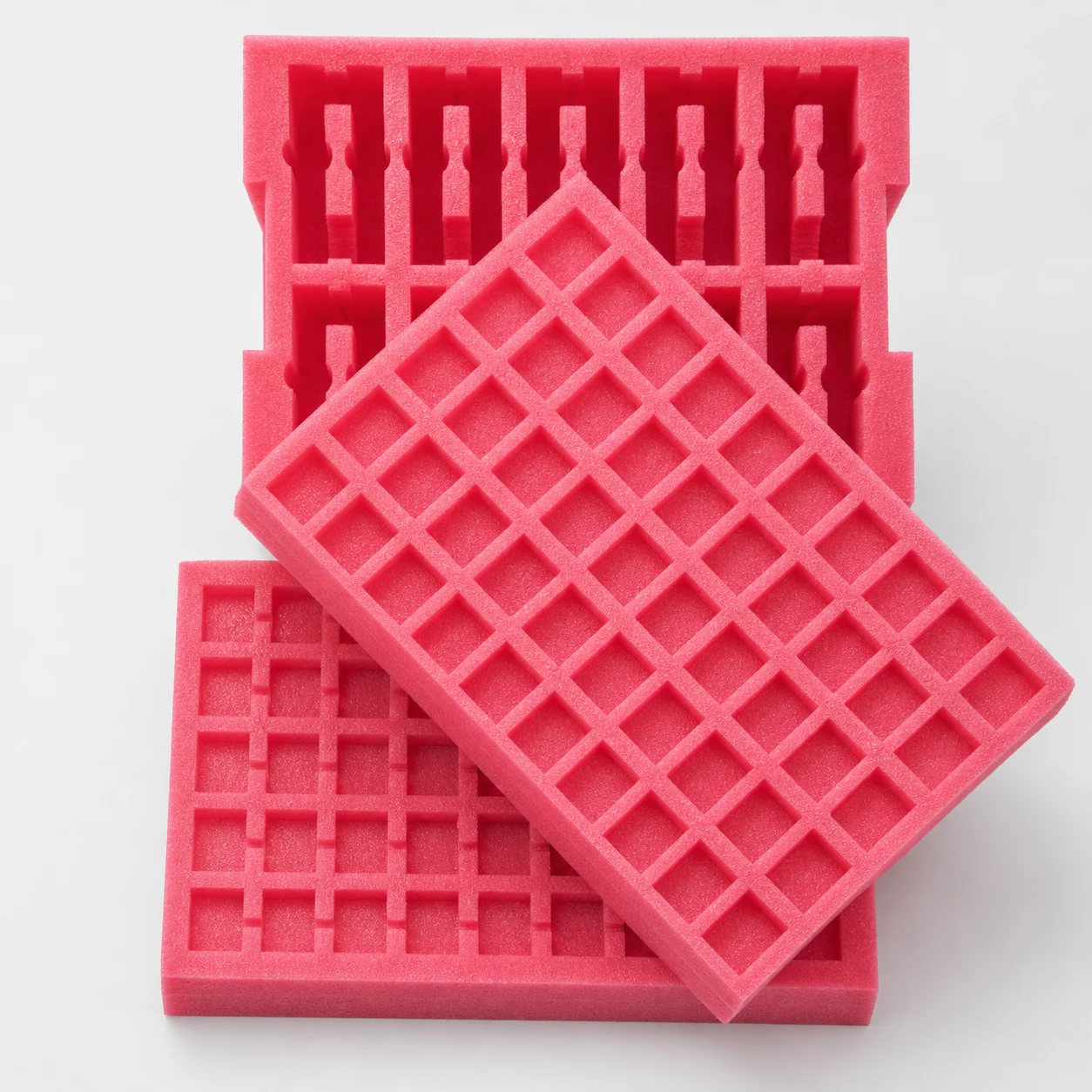
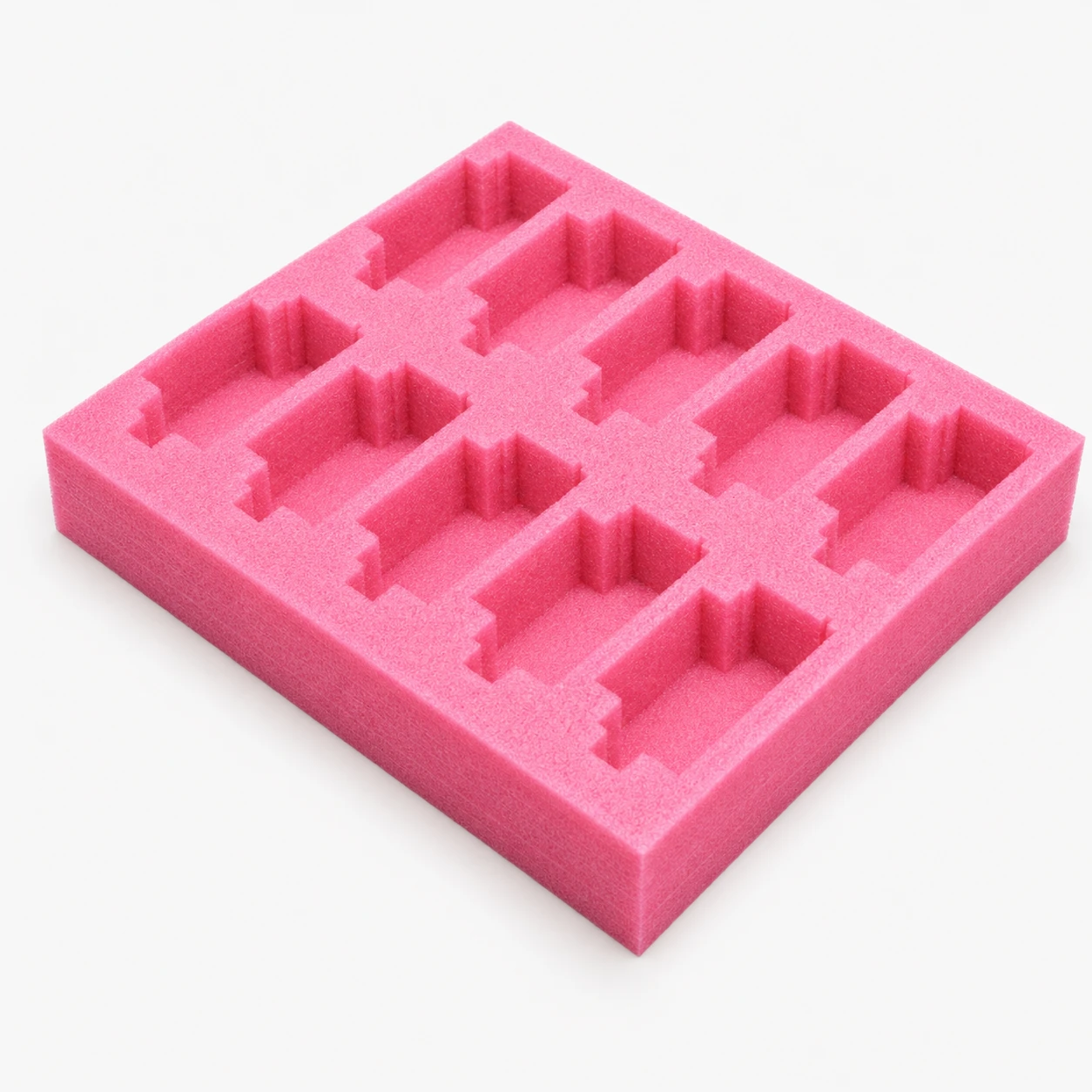
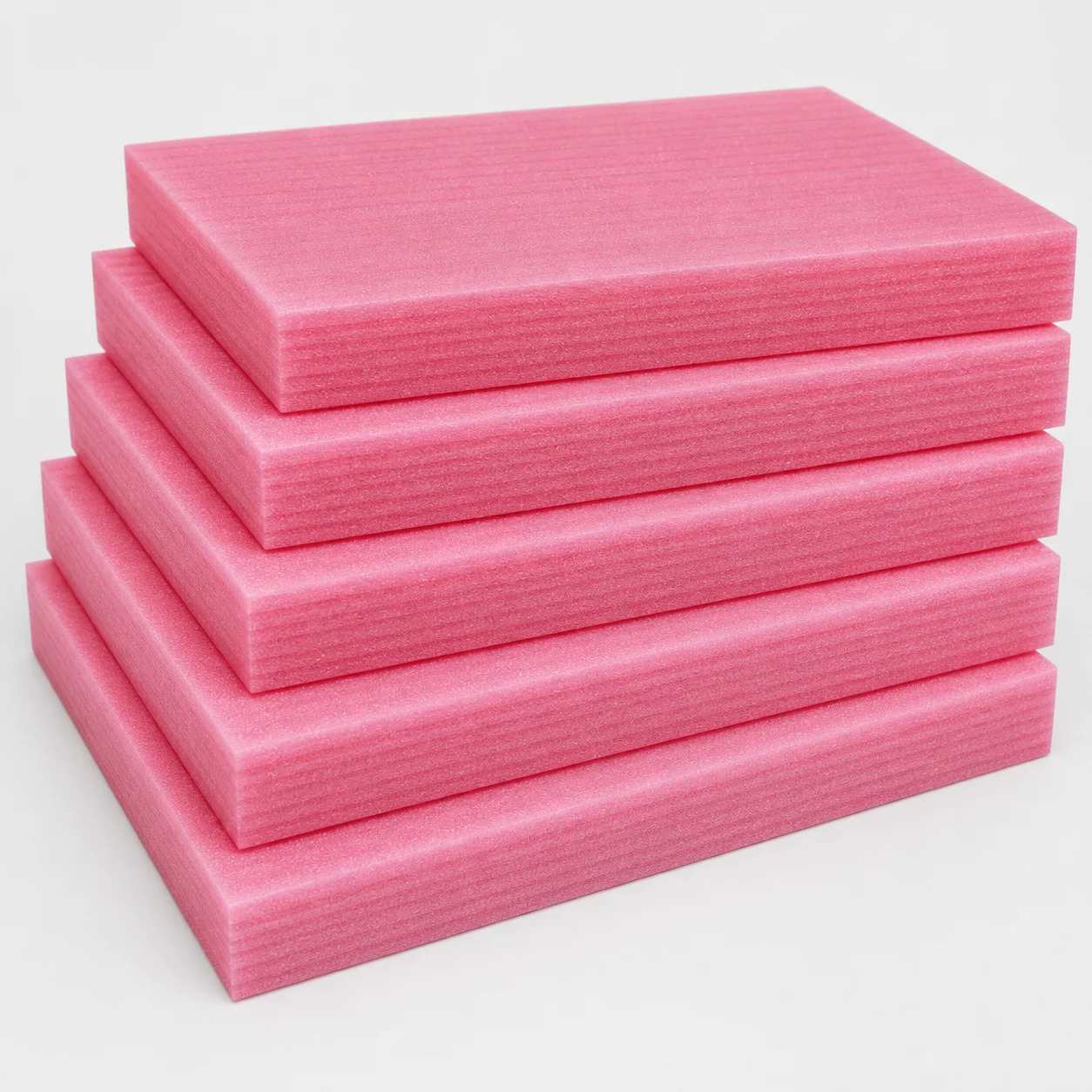
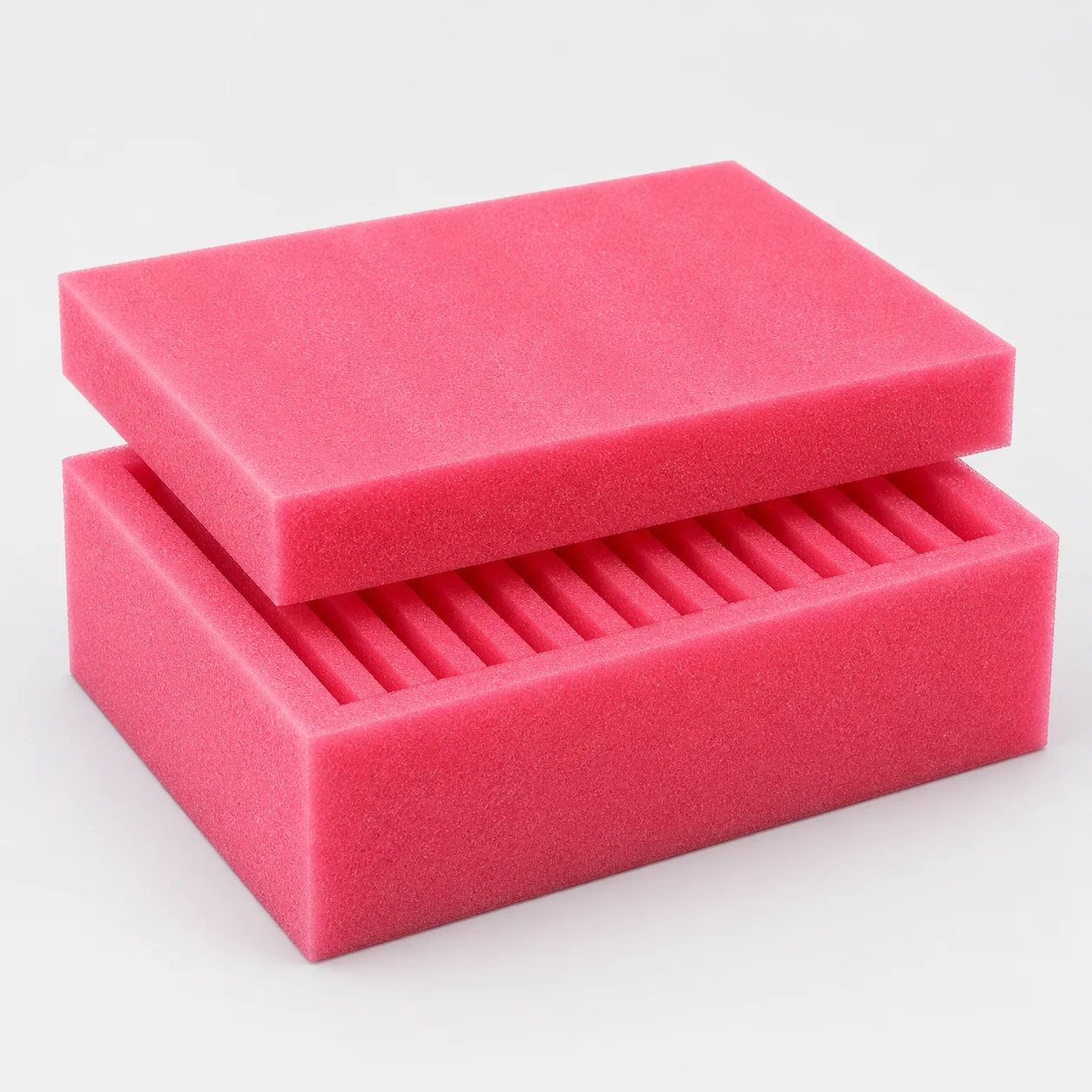
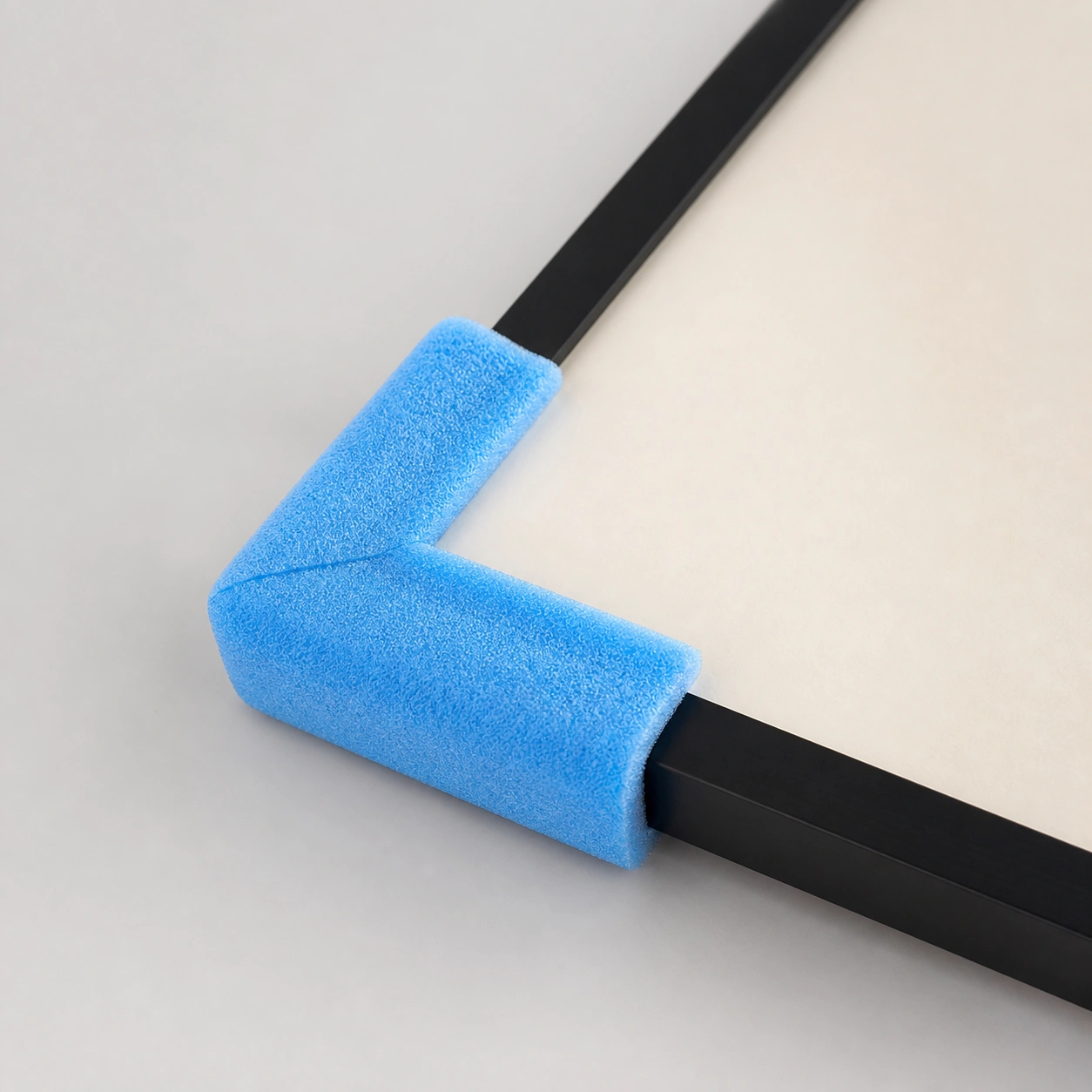
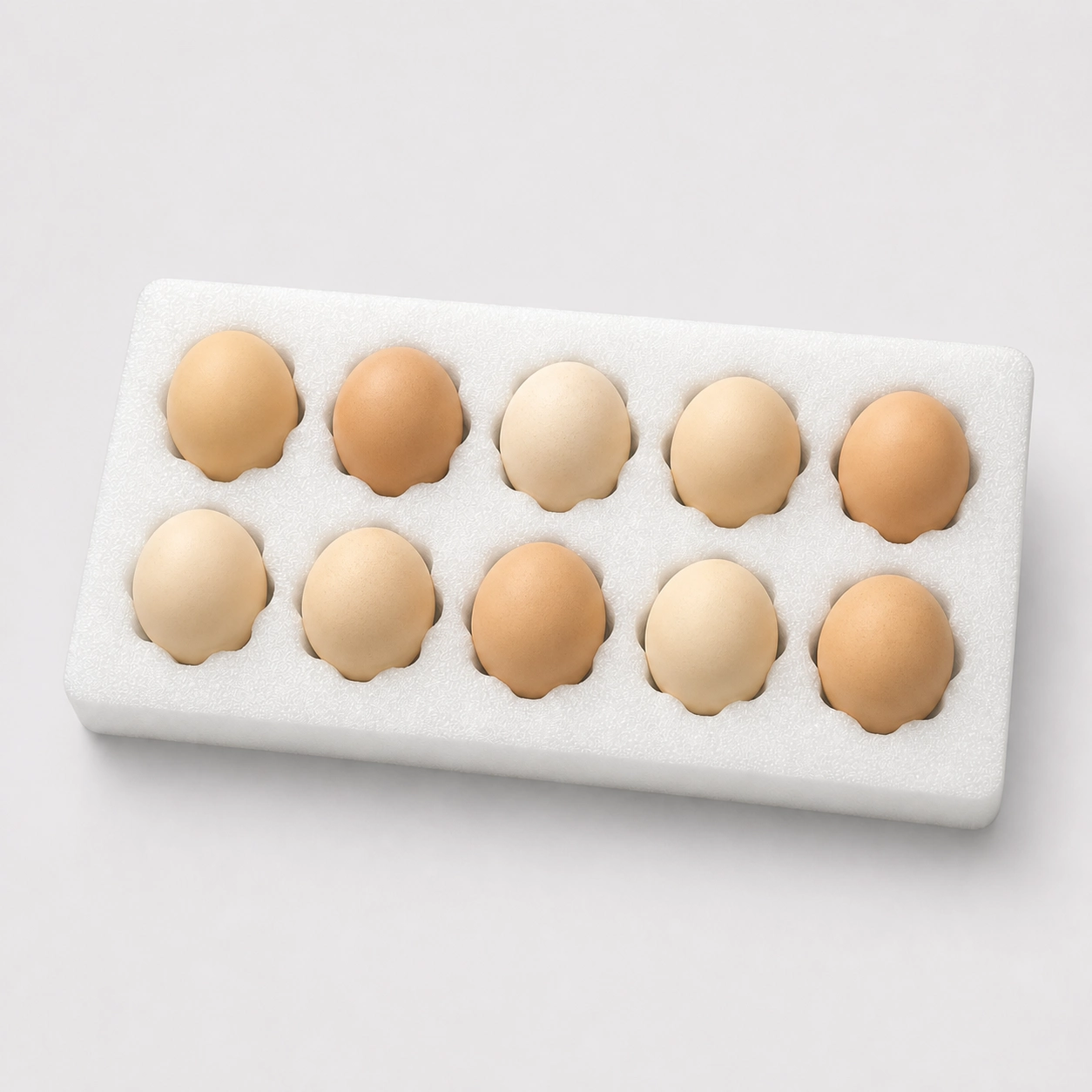
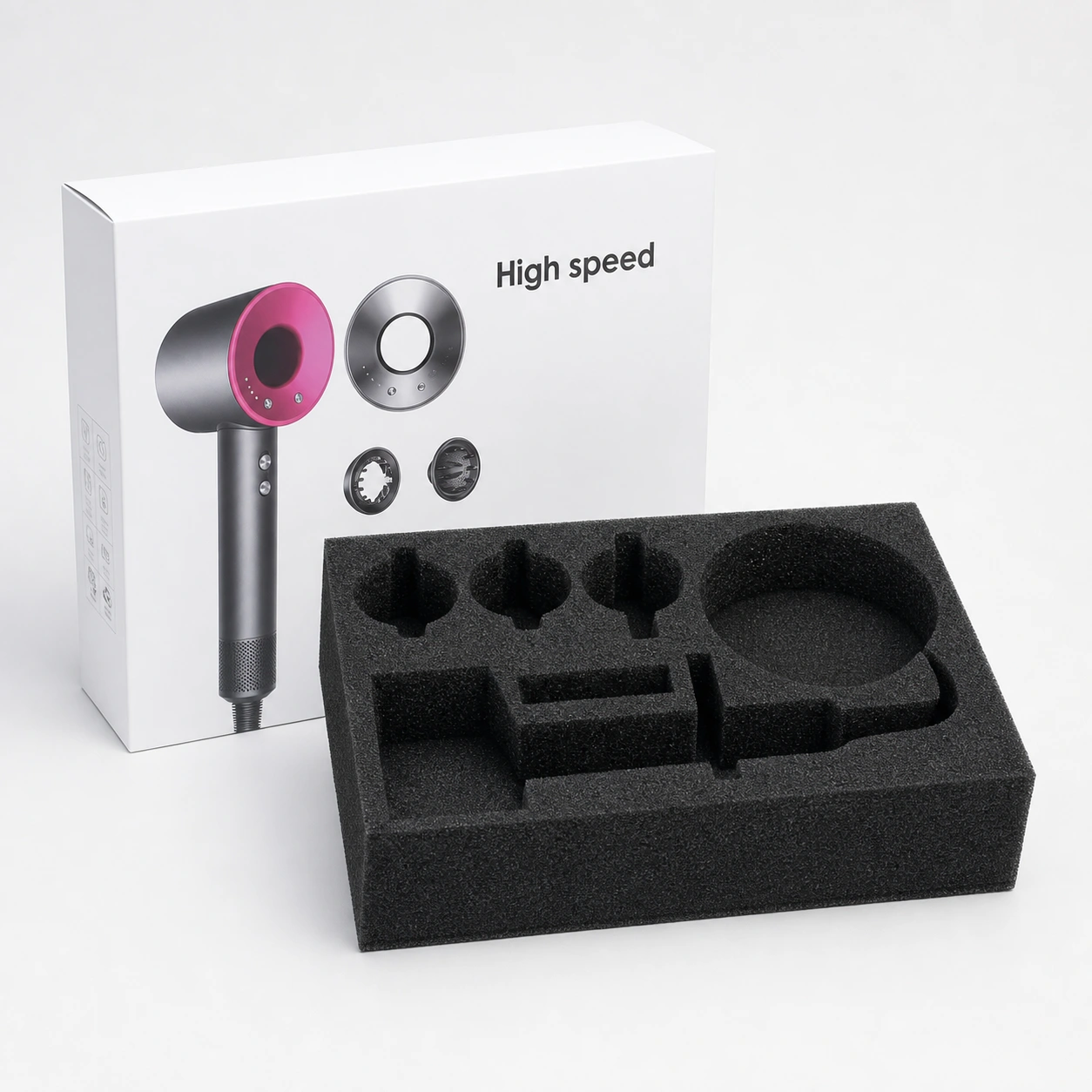
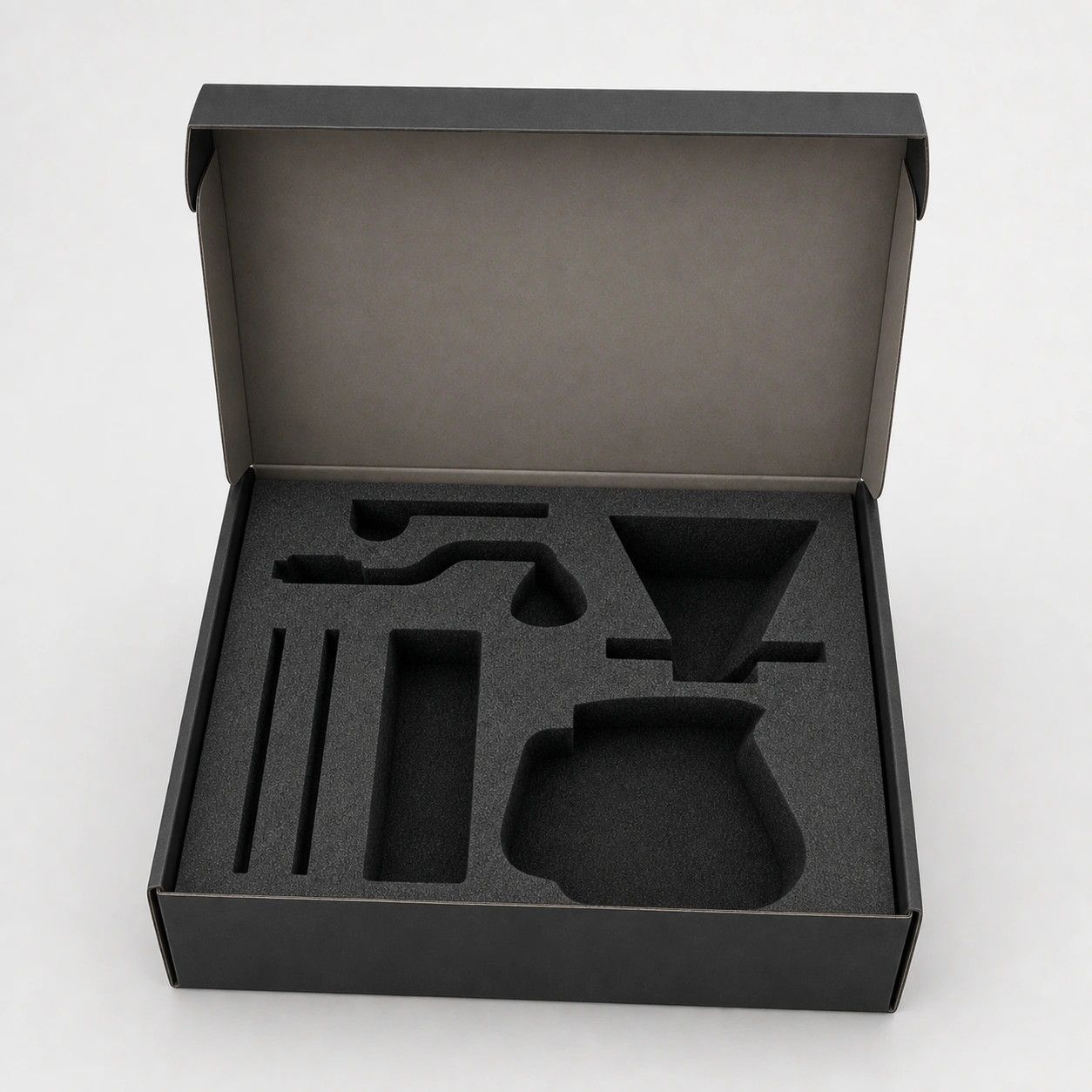
The anti-static EPE foam insert is a soft, closed-cell polyethylene foam die-cut to hold each part in a fitted pocket while it drains surface charge, so static-sensitive boards and components stay protected in transit and on the line. The pink anti-static foam signals the dissipative grade, and as a die-cut foam insert it doubles as cushioning ESD foam packaging that stops shock, rattle, and abrasion in one piece.
Specifications and customization
| Option | Standard (as shown) | Customizable range |
|---|
| Type | Die-cut EPE foam insert | Corner block, sheet, laminated blocks, contour tray |
| Material | Anti-static PE foam (pink) | Conductive PE (black), standard PE, EPP |
| ESD level | Anti-static / dissipative 10^9-10^11 ohm | Conductive 10^3-10^5 ohm (black) |
| Density | About 25-30 kg/m3 | Configurable to weight and cushioning |
| Color | Pink (anti-static marker) | Black (conductive), white or other (standard) |
| Thickness | Built to the fit depth | Single sheet to laminated blocks |
| Cavities | Die-cut or CNC to the part | Any layout: grid, slots, contour, multi-tier |
| Surface | Non-abrasive closed-cell | Laminated film or aluminized facing |
| Tooling / MOQ | Configurable, no strict minimum | - |
| Lead time | Configurable to order | - |
Pink anti-static vs black conductive foam
Spec the foam from your ESD control plan, not the color alone. The pink anti-static foam is a dissipative grade at 10^9 to 10^11 ohm that prevents charge build-up and is the common choice for boards, connectors, and general electronics. Black conductive PE foam at 10^3 to 10^5 ohm drains charge faster for the most sensitive parts. Tell us the surface-resistance band you need and we build the insert to it.
Die-cut to your part
Each pocket is die-cut or CNC-routed to one part, so components sit square with no rattle, pressure marks, or abrasion during handling and pick-and-place. A die-cut foam insert can be a fine grid, a slotted rack for cards and PCBs, deep contour pockets for shaped parts, or laminated tiers for a full kit. Send a sample or a drawing and the sample room cuts the cavities and pitch to your part.
Why EPE foam
EPE is an expanded polyethylene foam that is soft, resilient, and recovers after repeated compression, so the insert protects a finish where rigid foams would mark it. The closed-cell surface does not shed lint or dust, which keeps it clean around electronics and optics. EPE foam packaging is light, cushions drops and vibration, and can be laminated to any thickness for heavier parts on a returnable loop.
Applications
Use the ESD foam packaging for PCBs and PCBAs, connectors and modules, hard drives and memory, sensors and instruments, and precision or medical devices that need both cushioning and static protection. The fitted pockets hold each part, the dissipative body drains charge, and the soft foam absorbs shock through storage, transport, and line-side turnover.
Get a quote
Send your part, a sample or drawing, the ESD resistance target, and the pack or carton it sits in, and we will cut a dieline and quote the insert with a sample for your approval. ISO 9001 and 14001 systems keep density, resistance, and cut quality consistent lot to lot.
FAQ
Pink or black foam, which do I need? Pink is an anti-static, dissipative grade for general electronics and prevents charge build-up. Black is conductive and drains charge faster for the most sensitive parts. Give us the surface-resistance band from your ESD plan and we match the grade, since color alone is not proof.
Does the anti-static property last? The dissipative grade holds its property over a normal service life, though heat and low humidity can reduce it over time, so it suits shipping and turnover inserts. For a permanent, humidity-independent path, use the carbon-loaded black conductive grade. We state the grade and band on the quote.
Can you cut the foam to my exact part? Yes. Send a sample or a drawing with each part's dimensions and the layout you want, and we die-cut or CNC-rout the pockets to fit, then send a sample so you can check fit and protection before tooling. Grid, slots, contour, and laminated tiers are all possible.
What is a realistic order quantity? There is no strict minimum, but the die and foam setup spread over the run, so small batches cost more per piece and price drops with volume. Tell us your annual volume and we advise the break points.